C-TECC (CT Education and Collaboration Collective) is a forward-thinking program focused on educating and collaborating with radiology professionals—radiologists, technologists, physicists, and trainees—on the latest CT scanner technologies, with an emphasis on Photon Counting Detector (PCD) CT. Built on the University of Wisconsin-Madison’s mission to advance patient care, research, and education, C-TECC supports these goals through four core pillars: training, show site hosting, expert guidance, and research collaboration. By fostering an inclusive culture, C-TECC empowers radiology teams to enhance value-based, patient-centered CT imaging and drive innovation in the field.
Pillars:
Training: C-TECC offers a range of workshops for radiology professionals, including an introductory Photon Counting CT course and an advanced user group workshop. These sessions provide CE/CME credits and focus on optimizing clinical workflows and understanding the differences between energy integrating and photon counting CT technologies.
Show Site Hosting: C-TECC partners with CT scanner OEMs to host demonstrations and provide promotional content on Photon Counting CT technology. This includes offering research-focused show site visits, featuring expert-led sessions on CT experiences.
Guidance: C-TECC delivers educational materials, including protocols and case examples, through a public website to assist clinics outside of UW-Madison. C-TECC also organizes virtual Medical Advisory Board meetings and publishes guidelines for optimal photon counting and EID CT image reconstruction.
Research Collaboration: C-TECC supports research by funding weeklong visits for external researchers to collect data at UW facilities. Additionally, it funds internal UW researchers to visit external CT expert sites globally for multi-institutional collaborative projects.
MEET OUR TEAM
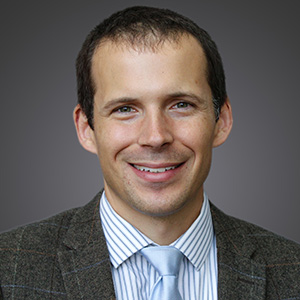
Dr. Szczykutowicz “Stick” is a Professor of Radiology at the University of Wisconsin. He specializes in all things CT from reconstruction algorithms to technologist workflow. Protocols developed by his team have been shipped to 3,500 sites around the globe. Dr. Szczykutowicz is the author of 80 papers, 3 book chapters, the book “The CT Handbook: Optimizing protocols for today’s feature-rich scanners”, 5 patents, and a consultant to 5 companies. In 2023 he founded RadUnity Corp. which provides solutions for harmonizing medical imaging.
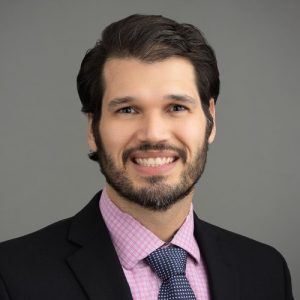
Dr. Toia is an Associate Professor (CHS) AND Associate Chief in the Abdominal Imaging and Intervention section, as well as the program director of the Abdominal Imaging and Intervention fellowship. His clinical interests include genitourinary radiology, dual energy/spectral CT, oncologic imaging biomarkers and non-invasive characterization of abdominal tumors. Academic Interests include rad physics with focus on CT workflow and optimization.
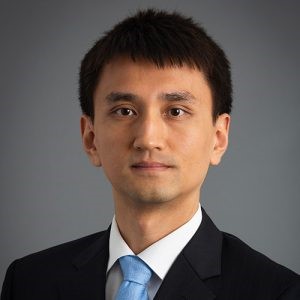
Dr. Zhang is an Assistant Professor of Radiology and Medical Physics. He is a world recognized leader in the emerging field of AI driven Xray and CT Imaging. His research interests include: CT Imaging Physics, CT reconstruction, AI in CT Image enhancement & Image analysis, and applications of large language models in radiology
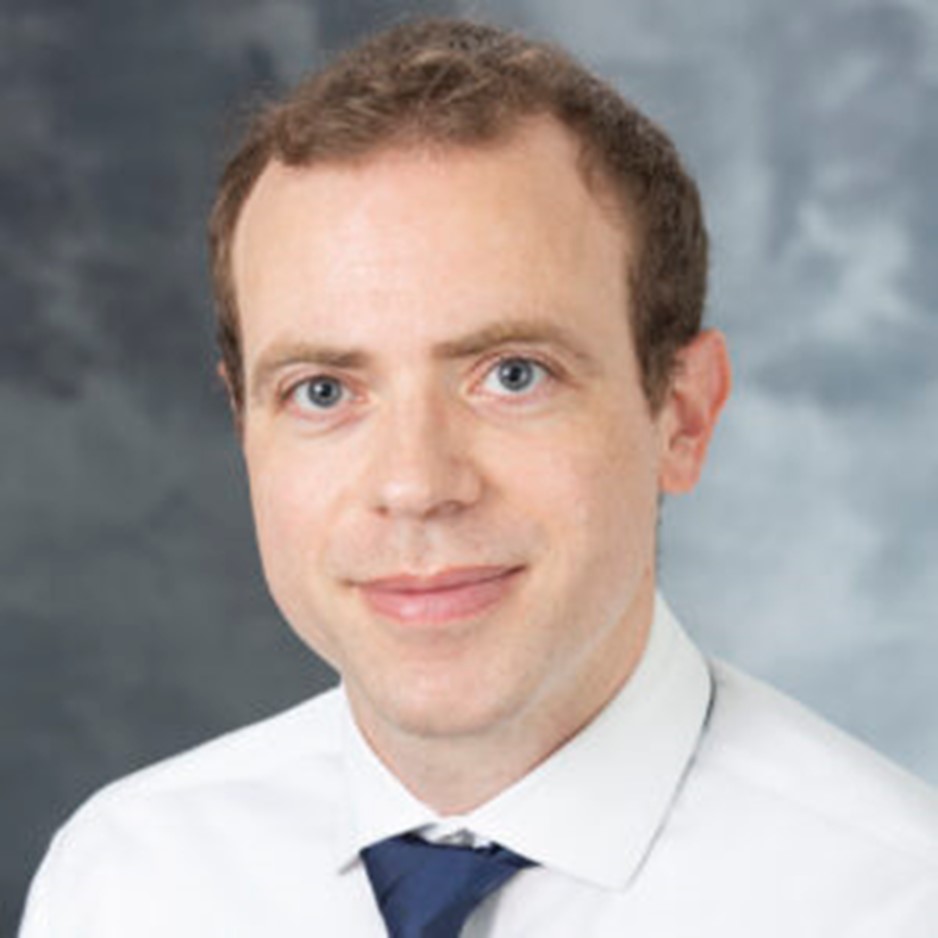
Dr. Wagner is an Assistant Professor of Radiology and Medical Physics at UW Madison. Dr. Wagner’s research is primarily focused on interventional imaging across various modalities. His recent work includes the development of real-time imaging techniques for 4D (3D+time) device guidance, the application of artificial intelligence for procedure planning, and novel image guidance systems for histotripsy targeting. His technical expertise spans X-ray and CT imaging, medical image processing, and machine learning, allowing him to develop innovative solutions for complex medical imaging challenges.
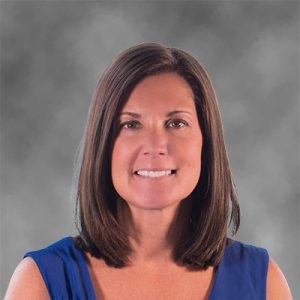
Carrie is a CT Technologist who has worked at UW Hospitals and Clinics for 28 + years. She has been a Lead CT Technologist for 25 + years: specializing in CT protocols, 3D Lab Imaging, New Technologist Training, and Implementing New Software and Hardware, i.e., CT Motion Injectors. Her Accomplishments & Achievements include: Guest lectures, Ochsner Consortium go-live, Publications and Meeting Abstracts.
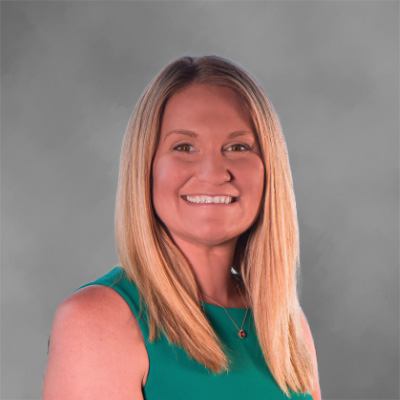
Rachel is a CT Technologist who worked at UW Hospital and Clinics for 12 years, 2 of them as a Lead CT Technologist who specialized in technologist training and 3D lab postprocessing. She transitioned to the C-TECC team in 2020. She is currently a Lead CT Technologist on the Photon Counting CT Research at WIMR
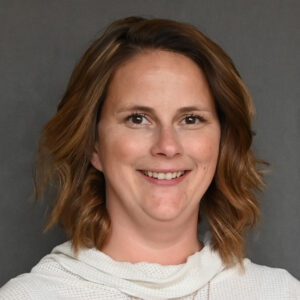
Kelsey is a CT Technologist with 10+ years of experience. She worked at UW Hospital and Clinics for 8 years, 3 of them as a Lead CT Technologist. She transitioned to the C-TECC team in 2023. She currently specializes in Continuing Technologist Education and new Technologist training by managing mandatory in-services. She is also the Lead CT Technologist on the Canon CT system at UW.
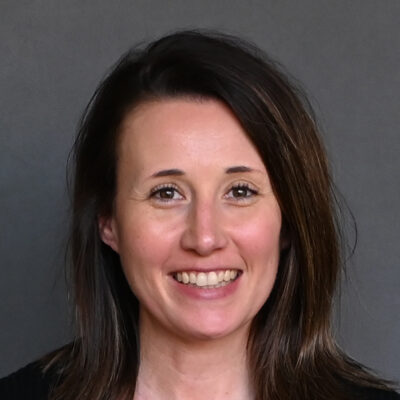
Courtney is a CT Technologist who worked at UW Hospital & Clinics for 15 years. She was a Lead CT tech for 2 of those years, specializing in new technologist training and 3D postprocessing. She transitioned to the C-TECC team in 2025. Along with helping the team in updating CT protocols across the UW fleet, she currently manages organizing the annual CT Protocol Optimization Workshop (CT-POW) and Medical Advisory Board meetings.
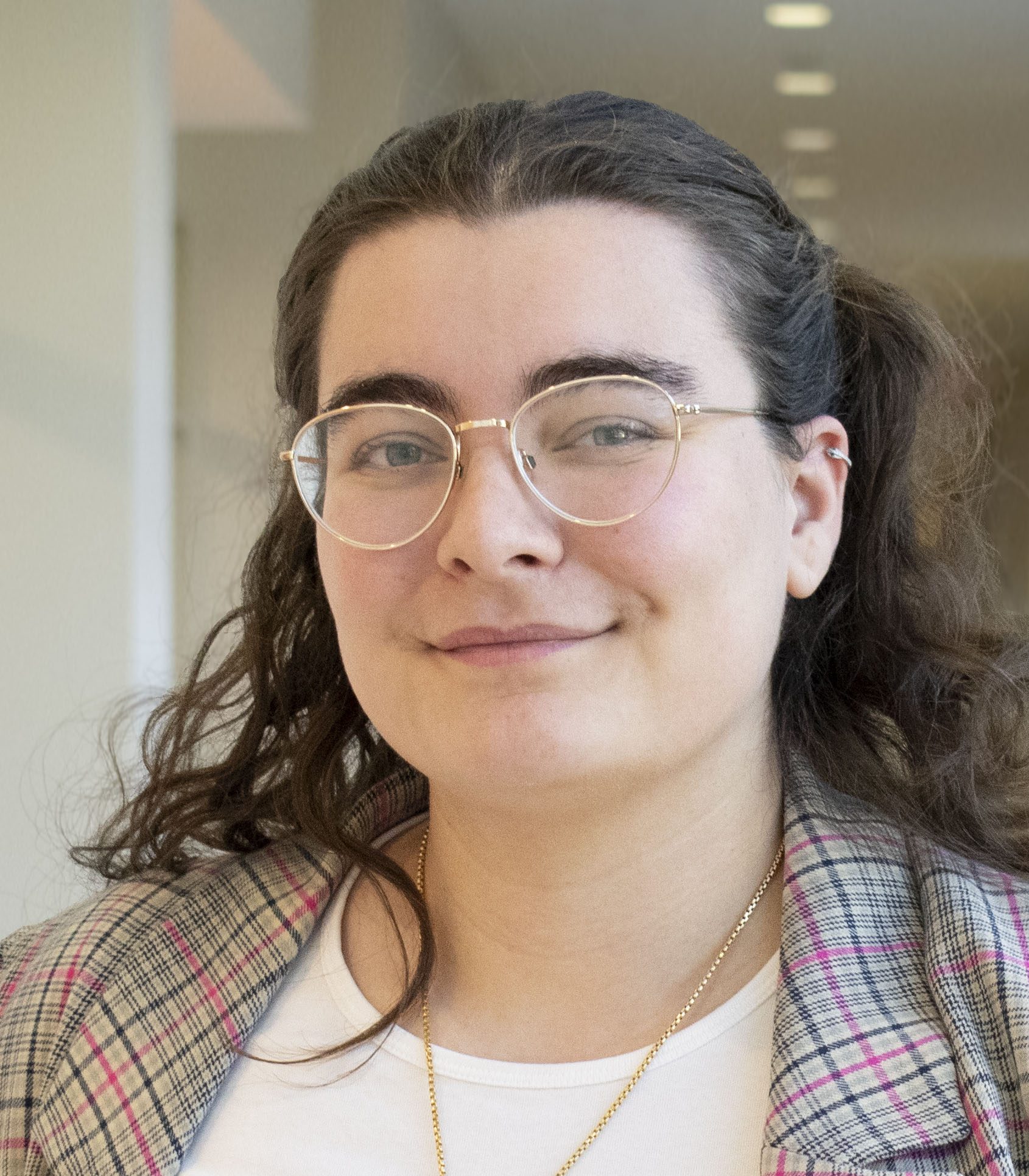
Aria is a third-year graduate student in the Departments of Medical Physics and Radiology. She is a graduate student representative, and a member of the Society for Advanced Body Imaging (SABI), the American Association of Physicists in Medicine (AAPM), and the Radiological Society of North America (RSNA). Aria has published five first-author, peer-reviewed papers since her start in the graduate department in 2023 and has presented more than 20 times at various conferences. Her current work focuses on assessment of silicon-based photon counting detector CT for more robust biomarkers, as well as investigating the reliability of CT measurements due to confounding factors.
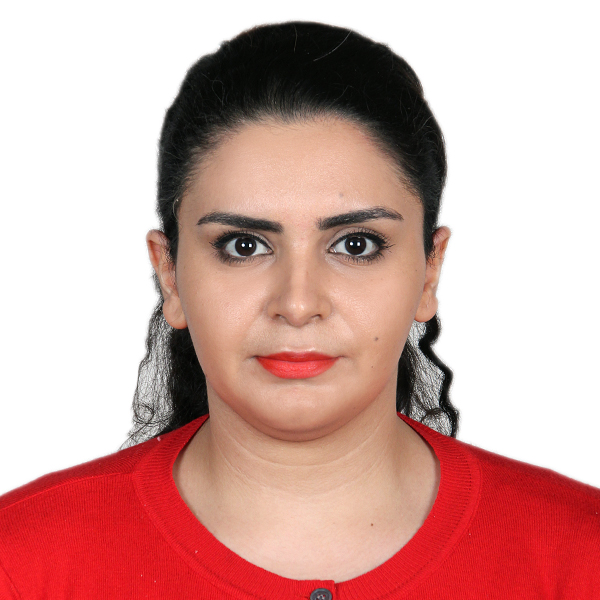
Zahra is a PhD student at the University of Wisconsin–Madison, where her research focuses on iodine contrast agents in CT imaging. She is an active member of AAPM and RSNA. She brings 10 years of experience as a radiologic technologist, a background that fueled her interest in the physics side of radiology and CT imaging. Her current research focuses on tailoring iodine contrast protocols to improve CT imaging outcomes and reduce missed diagnoses.
Qingshuo Du is a PhD student in Medical Physics. She is currently working on the metrics of the utilization of clinical scanners to optimize their usage. She is also interested in characterizing and improving the performance of scanners, and integrating the photon-counting detector CT in clinical settings.